


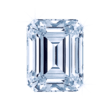
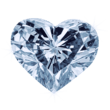


D
exceptional white+

After selecting the carat weight range, color is the next step to refine your choice. Diamond color indicates the presence or absence of tint within the stone. The closer a diamond is to colorless, the more luminous and pure it is perceived to be.
Diamond color is graded according to the international GIA scale, ranging from D (colorless) to Z (visible tint).
Colors D, E, and F are considered colorless and offer perfect transparency for pure, uncompromising brilliance.
Colors G and H are white. Colors I and J are considered near colorless: a slight tint may appear depending on the lighting, the metal chosen, and the way the diamond is viewed.
As the scale progresses downward, warmer tones become more noticeable.
Color influences how light is perceived as it passes through the diamond.
In larger stones, higher color grades can enhance the impression of whiteness.
In smaller diamonds, differences between close color grades are often very subtle.
The metal and setting also play an important role in the final perception of color.
The choice of color depends on your visual preference and the budget you wish to allocate.
Colors G or H often represent an excellent balance between aesthetics and value, without compromising the overall appearance of the diamond.
Once the color is selected, you may proceed to the next step: clarity, to refine the internal readability of the stone.